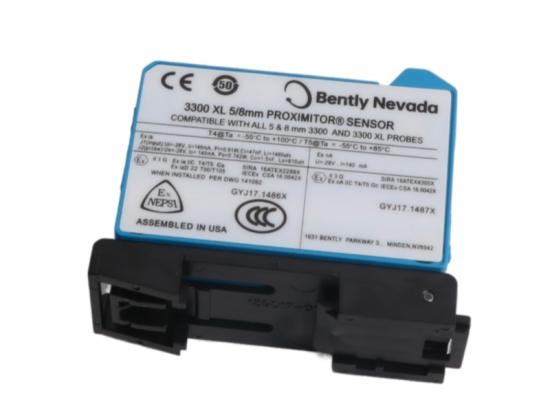
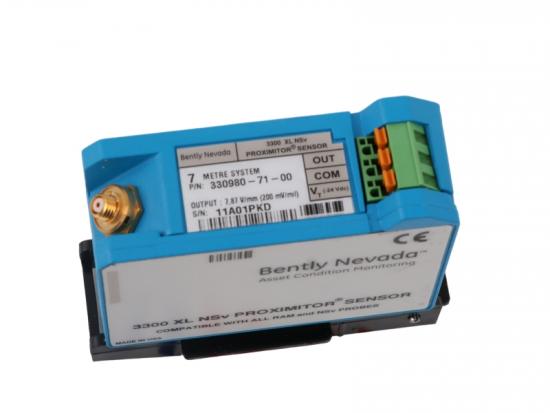
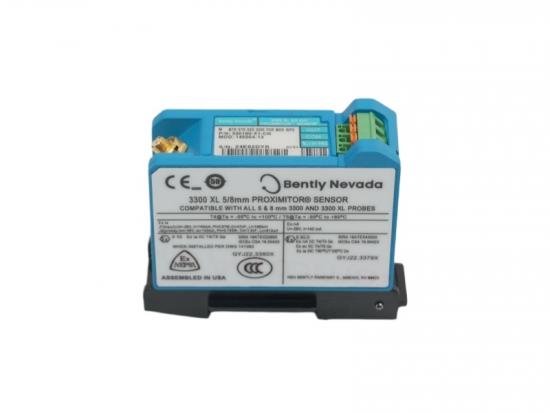
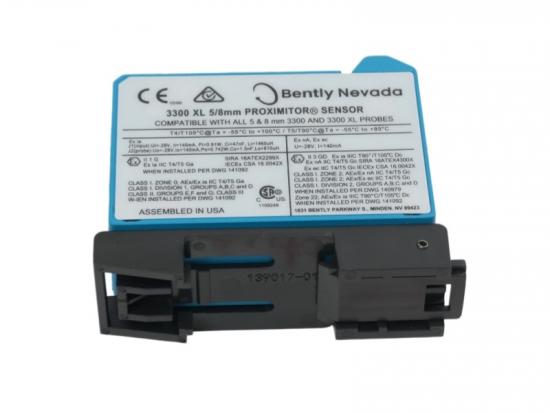
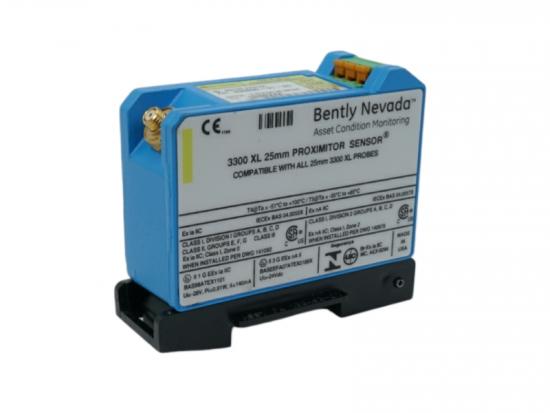
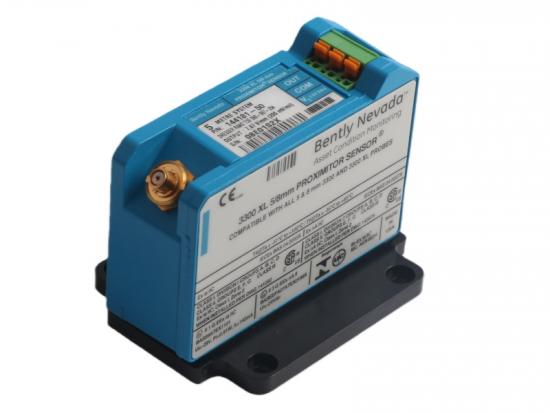
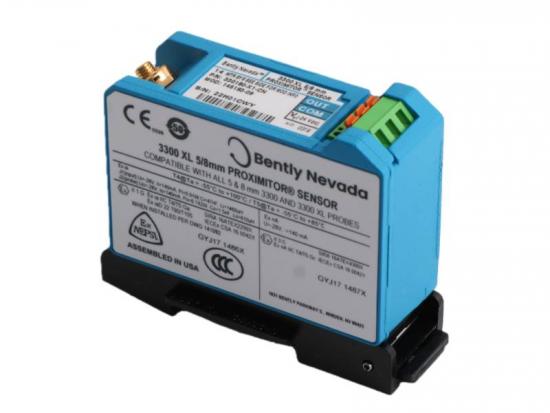
The Bently Nevada 330104-00-06-05-02-05 is a 3500 rack-compatible velocity transducer module designed for reliable vibration monitoring in industrial machinery protection systems.
The Bently Nevada 330104-00-12-10-02-05 is a 3300 XL 8mm proximity probe with a 120mm stainless steel case and a ClickLoc connector, designed for precise vibration monitoring in industrial machinery.
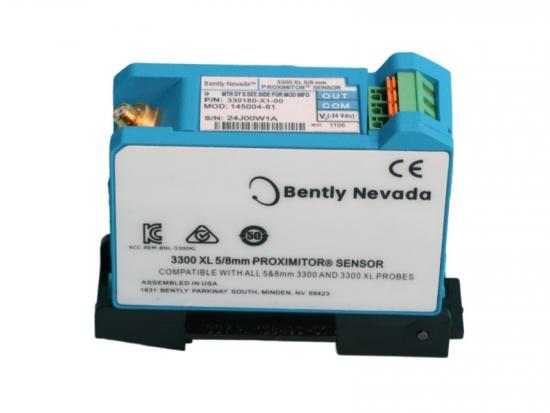
Bently Nevada 330180-X1-05 MOD:145004-90 is a specialized proximity transducer system component. It is designed for industrial machinery monitoring, providing critical vibration and positional data to protect assets like turbines and compressors from damage.
Bently Nevada 330180-X1-CN MOD:143416-05 appears to be a specialized 3300 XL proximity transducer system variant. This modified configuration likely incorporates extended temperature range components or custom engineering for specific high-demand applications in critical machinery monitoring, potentially including unique calibration or connector specifications.
The Bently Nevada 330103-02-08-10-02-00 is a 1.0-meter 8mm proximity probe with 3/8-24 UNF thread. This unarmored configuration provides essential vibration monitoring for general industrial machinery applications with standard environmental conditions.
The Bently Nevada 330102-00-40-10-11-05 is a 3300 XL 8mm proximity transducer system. This complete assembly includes a probe, a 10-meter FluidLoc cable, and a proximitor sensor, enabling precise vibration and position monitoring for critical machinery protection.
The Bently Nevada 330180-X1-00, MOD: 145004-128, is a signal conditioner or termination module typically used within the 3300 monitoring system. It conditions vibration or position signals from proximity probes for reliable machinery protection.
The Bently Nevada 330104-00-15-10-02-00 is an 8mm proximity transducer system designed for industrial machinery monitoring. It provides precise measurement of vibration and positional parameters, delivering reliable data for predictive maintenance and equipment protection in demanding operational environments.