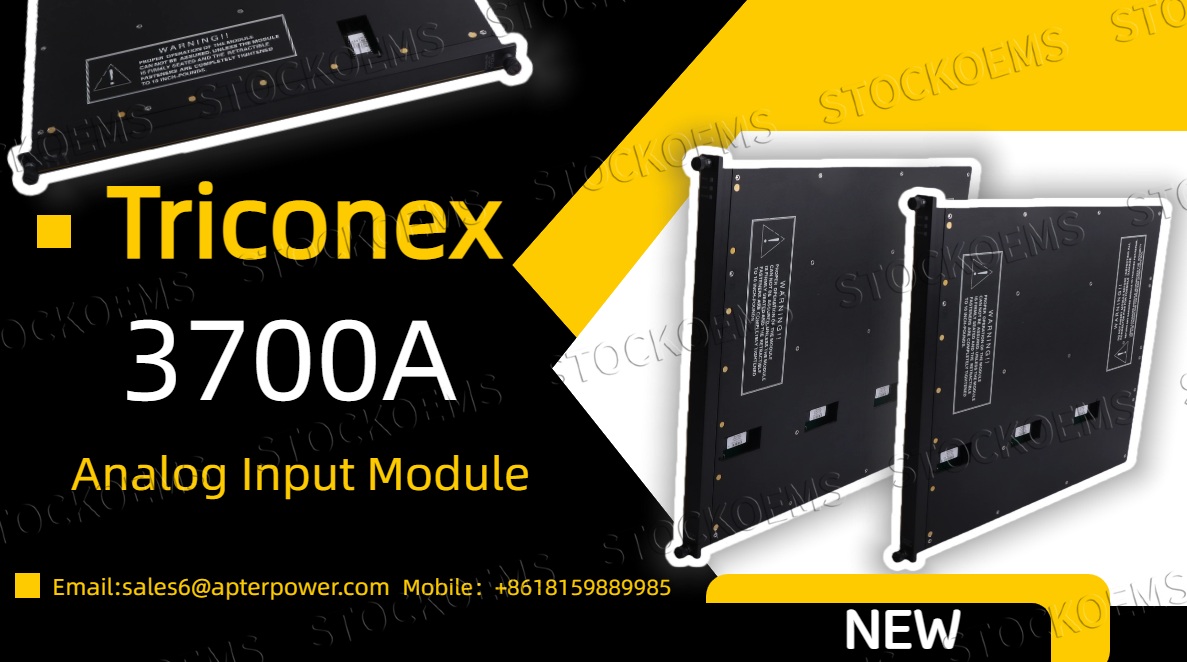
Why is Power Management Critical for the Series 3700A Switching System
In specialized fields such as design verification, stress testing, and data acquisition, the Analog Input Module 3700A Triconex series has indeed won the favor of many engineers due to its high-density, universal plug-in card design. However, a very practical question requires our in-depth consideration: why must we pay special attention to the power management of this system? Ultimately, this is directly related to the hardware architecture of the device itself. The problem is that the power supply capacity of the entire device is not unlimited; it sets a clear upper limit on the power consumption of each slot. Specifically, if the power required for an operation exceeds the limit during operation, the system will not accept it all. It will only execute a portion of the operations within the power limit, and when the power reaches the critical value, it will automatically stop the subsequent operations and return an error message. Because of this operating mechanism, proper power budgeting is not just a casual "suggestion" in the documentation, but a fundamental prerequisite for ensuring the complete execution of the test process and avoiding errors midway. This directly affects whether your entire test task can successfully reach the end.
What Components Consume Power and Who Needs to Account for Them
Understanding what elements within the Series Analog Input Module 3700A Triconex framework consume power is vital for accurate planning. The primary consumers are non-latching relays and the quiescent power of the cards themselves. So, what is the distinction? Non-latching relays continuously draw power to maintain their open or closed state. This means every energized non-latching relay is a constant drain on the system's limited power budget. In contrast, latching relays only consume a brief pulse of power to change state and are therefore not a concern for continuous power calculations. Furthermore, who must consider the quiescent power? Every engineer configuring the system must account for it. Quiescent power is the baseline power each plug-in card draws simply to operate, even before any relays are activated. This inherent consumption directly reduces the total power available for switching relays. Therefore, when calculating the total power load for a bank, one must sum the quiescent power of all cards in that bank with the cumulative power required by all non-latching relays that will be energized simultaneously.
How Can You Effectively Budget Power and Monitor System Status
The process of how to effectively manage power involves both proactive calculation and real-time monitoring. Power budgeting requires an engineer to consult the specific power consumption table for their Series 3700A System Switch 3700A Triconex plug-in cards, which details the relay and quiescent power values. The calculation is straightforward: for each bank, ensure that the sum of the quiescent power from all installed cards plus the power required by all active non-latching relays does not surpass the 12,300 mW limit. But what about situational awareness during operation? This is where the system's interlock feature becomes important. Some switching cards are equipped with interlocks that act as safety or enabling mechanisms. An engineer can determine the current status of these interlocks at any time using specific remote commands, such as slot[X].interlock.state. When an interlock reports as "disengaged," it prevents the associated backplane relays from being energized, which indirectly affects the power draw. By understanding how to budget power upfront and monitor the interlock status during runtime, users can ensure stable and reliable system performance, avoiding unexpected errors and ensuring that all intended operations are carried out successfully.
Where Should Engineers Apply These Power Management Principles for the 3700A System
In conclusion, the question of when to perform power budgeting for the Triconex 3700A Plus Benchtop Spectrophotometer system is answered simply: before and during every critical deployment. A comprehensive understanding of why power limits exist, what components consume power, and how to calculate and monitor usage is fundamental. By meticulously accounting for both the continuous drain of non-latching relays and the essential quiescent power of the cards themselves, and by leveraging system tools like interlock status checks, engineers can fully utilize the system's capabilities without encountering power-related interruptions. This disciplined approach ensures that the 3700A Analog Input Module Triconex operates reliably across its diverse applications, from functional testing to data acquisition, safeguarding the integrity and success of complex testing procedures.

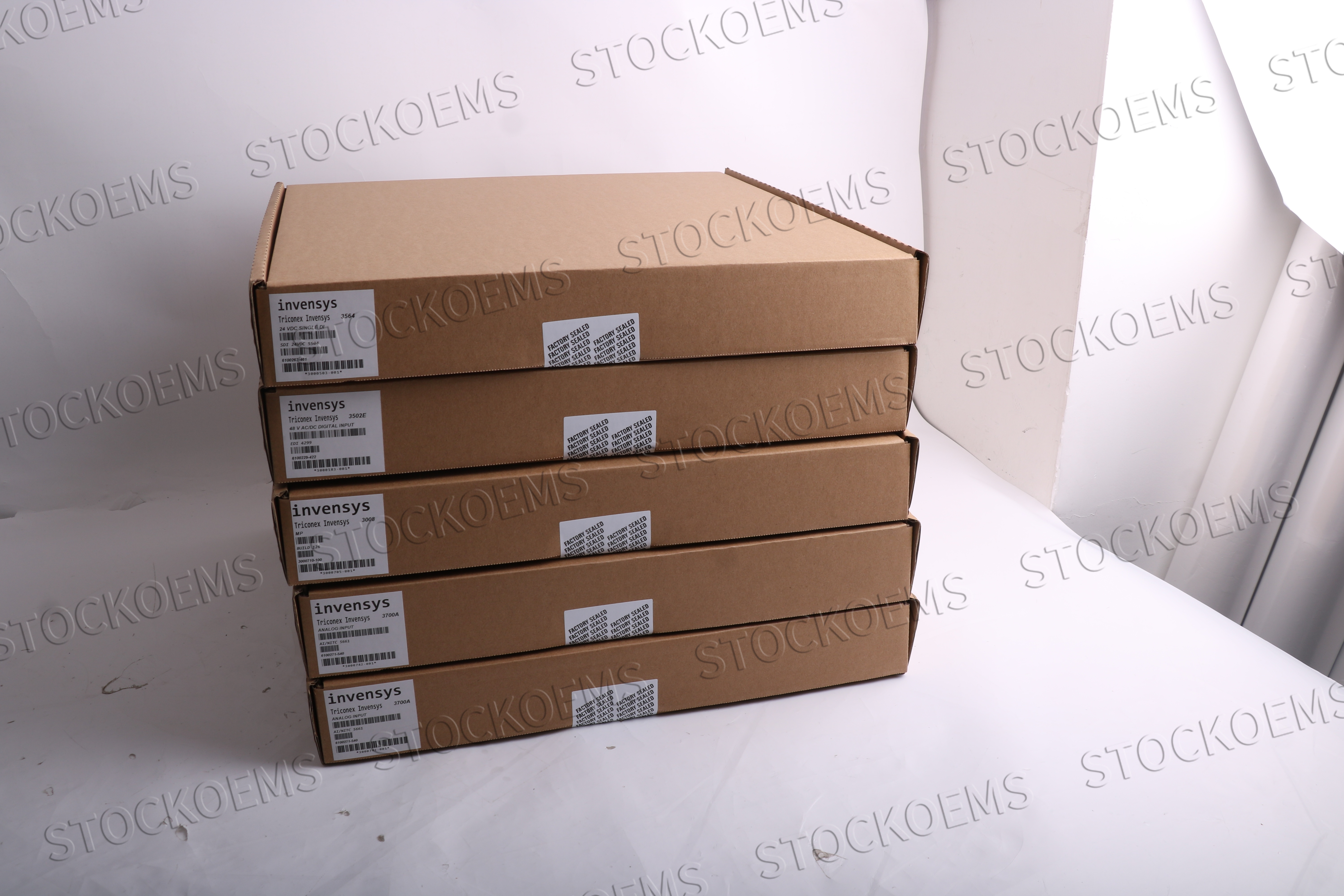
Recommended Model
| 175Z0119 | 178B0590 | 1-8 RD |
| 175Z0401 | 178B3276 | 195H0110 |
| 175Z0530 | 191G060120 | 195H3101 |
| 175Z0542 | 195N0030 | 195H3305 |
| 175Z0545 | 195N1027 | 195H3801 |
| 175Z0546 | 195N1040 | 195H6522 |
| 175Z7004 | 1A400-170C02 | 195H6523 |
| 175Z7006 | 1M.F5.080-2019 | 195N0028 |
If you want to know details,please contact me without hesitate.