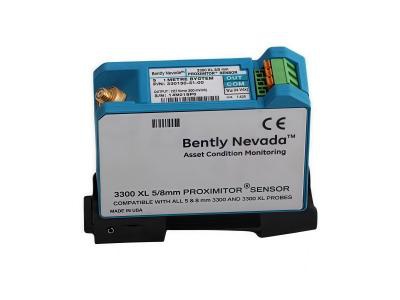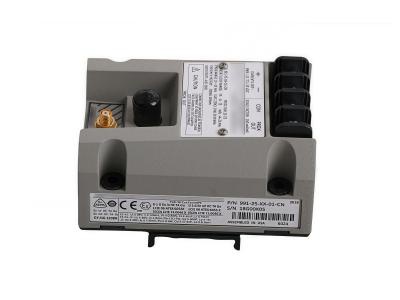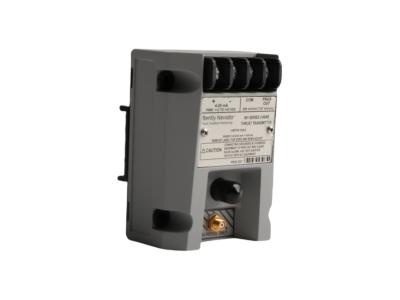
Core Description
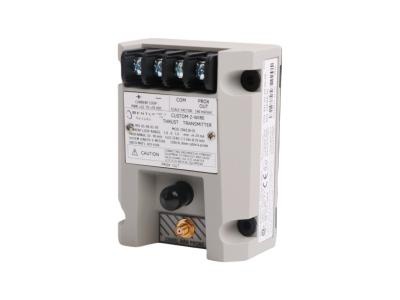
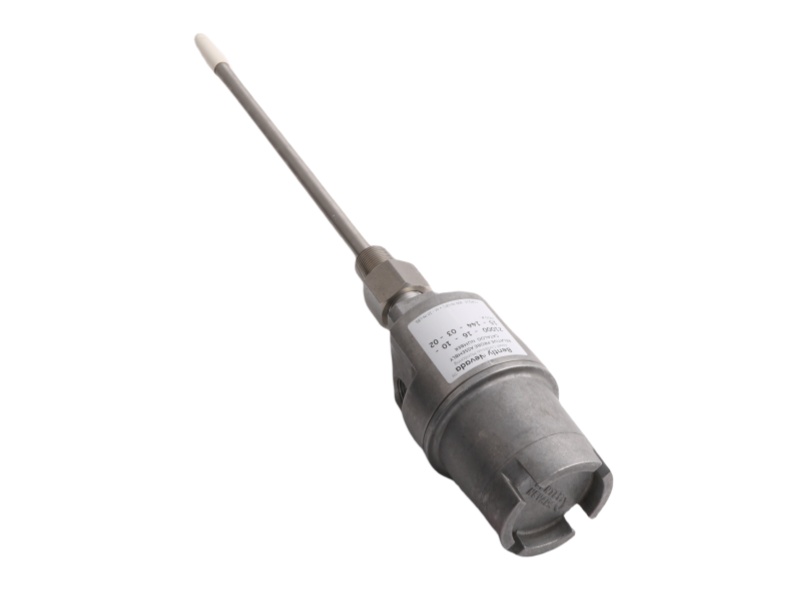
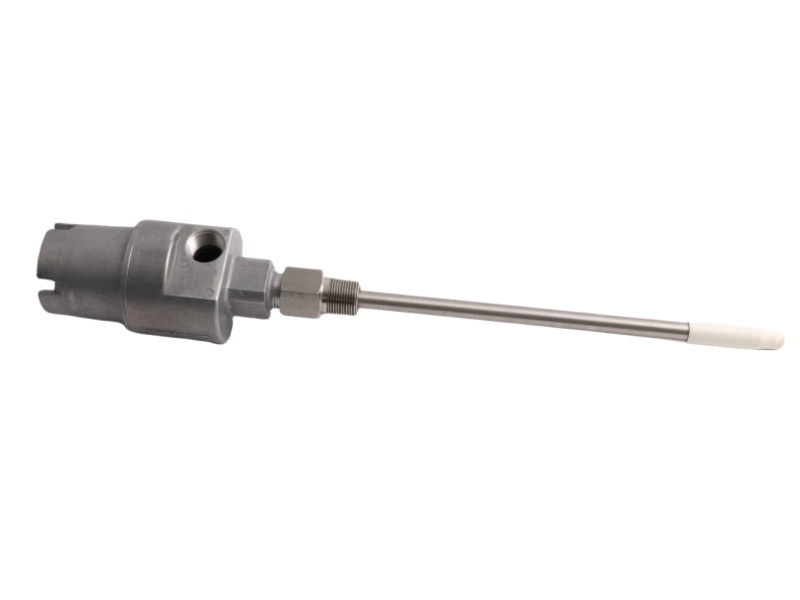
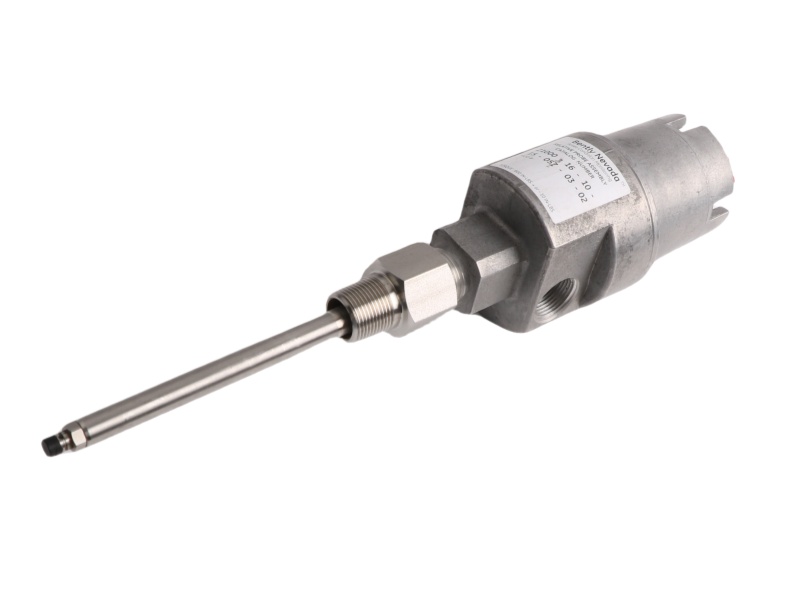
The 21000-28-05-00-050-03-02 is a Bently Nevada multi-approval aluminum proximity probe housing assembly featuring a 5.0-inch sleeve length. Fully compliant with standard field enclosures, this explosion-proof unit works seamlessly with 3300 XL Proximitor systems to deliver direct physical protection and stable industrial vibration monitoring communication.
Specific Application
- External Solitary Mount Safety: Securing fragile 8mm proximity probes externally on rotating machinery bearing caps to eliminate direct chemical or physical impact damage.
- Mid-Depth Casing Entry Processing: Bridging the gap through medium-width fluid-film bearing cavities utilizing a rigid 5.0-inch (127 mm) non-corrosive sleeve profile.
Explosion-Proof Cabling Routing: Directing vulnerable transducer wires through an isolated 3/4-14 NPT entry way armored with explosion-proof metal compression grips.
System Compatibility
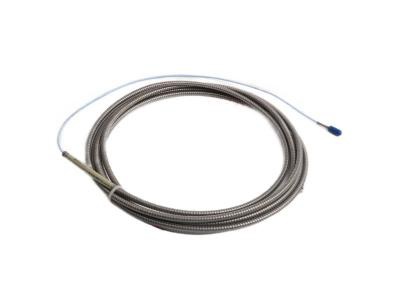
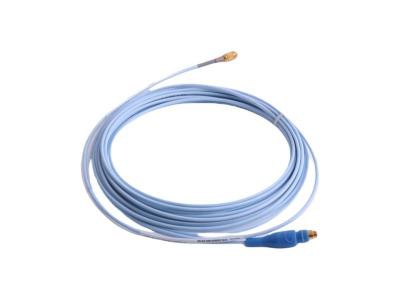
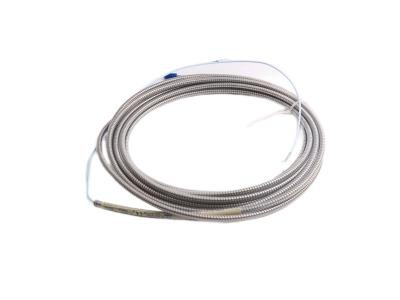
- Transducer System Elements: Pre-loaded with an 8mm reverse-mount proximity probe paired with a 0.5-meter (20-inch) triaxial leading line.
- Mechanical Safety Thresholds: Holds full CSA hazardous area safety certifications and satisfies strict Type 4 chemical splash resistance classifications.
Alternative Model & Differences
- Alternative Model: 31000 Premium Proximity Probe Housing Assembly (Non-Explosion Proof).
- Key Differences:
- Hazardous Certification Core: The 21000-28-05-00-050-03-02 enforces an explicit, heavy-duty explosion-proof rating, whereas the modern 31000 architecture is optimized primarily for weatherproofing where an explosion-proof classification is not required.
- Physical Interface Layout: The legacy 21000 system utilizes a heavy solid dome screw-top cover mechanism, while the newer 31000 introduces flexible body adjustments and specialized structural upgrades to optimize long-term serviceability.
Ordering Information Summary
|
Option Row Label |
Code Input |
Selected Option Value / Description |
Specific Engineering Performance Metric |
|
Base Model Number |
21000 |
Aluminum Proximity Probe Housing |
Certified explosion-proof all-metal frame with 304 stainless steel sleeve. |
|
Option Section A |
28 |
3300 XL 8mm Probe, Multiple Approvals |
Integrated 8mm reverse-mount sensor carrying ATEX, IECEx, and CSA ratings. |
|
Option Section B |
05 |
0.5 meter (20 inches) Cable Length |
Integrated triaxial leading wire length connecting to the extension cable. |
|
Option Section C |
00 |
No Standoff Adapter Ordered |
Eliminates extra external hex spacers; flush-mount configuration. |
|
Option Section D |
050 |
5.0 inches (127 mm) Penetration |
Custom sleeve depth extending from the casing wall to the target. |
|
Option Section E |
03 |
Cable Seal Grip with Grommets |
Weatherproof cable fitting designed to accept multi-size field wires. |
|
Option Section F |
02 |
3/4-14 NPT Mounting Thread |
Heavy-duty machined base thread containing approximately 5 - 7 full threads. |
Installation & Troubleshooting FAQ
Q1: What mechanical torque constraints and physical structural factors apply to this 5.0-inch version?
A: The assembly uses an aluminum main casting paired with an option-machined 3/4-14 NPT thread base that contains 5 to 7 full threads to maximize mounting stiffness. To maintain structural seal health, field crews must avoid exposing the internal Viton O-rings to extreme environments below -34°C (-30°F), or the pressure barrier seal will face structural leakage.
Q2: Why is the module's target curve distorted, and do I need to counterbore my machine frame?
A: Yes, because this option utilizes a short 5.0-inch penetration path, it places the 8mm probe head near surrounding inner casing walls. When the probe tip rests between 1.0 and 2.0 inches from internal metal elements, a sideview clearance effect is highly likely. You must counterbore the machine casing to a minimum of 24 mm to prevent the electromagnetic field from coupling with the housing.
Q3: My probe lead is showing cyclical voltage beats and interference. How do I clear the loop error?
A: This behavior points directly to cross-talk between adjacent sensors or moisture in the ClickLoc junction. First, make sure your adjacent X-Y probes maintain a center-to-center separation distance of at least 38 mm (1.5 in) for radial layouts. Second, check that the internal golden connectors are completely dry, and apply original silicone connector protectors to stop moisture ingress during washdowns.





 For the quick assistance message us on WhatsApp at